
Superwash versus Non-Superwash Dye Technique Test (PART 2)
Glad to have you again! Let's get started with the PART II. If you missed the PART I we recommend you check it out here.
 Bring the black dye bath up to boiling and quickly submerge the skeins dry. Then reduce temperature to 210 degrees (just under boiling). If you wet the yarn out ahead of time, the dye will migrate under the ties and you’ll have solid black yarn.
 Keep at 210 for 30 minutes and let cool to room temperature. Then remove the resists and overdye each one a different color.
 Put back in the heat for 30 minutes to an hour and let cool to room temperature.
 Superwash on left, non-superwash on right
 Superwash on the bottom, non-superwash on top
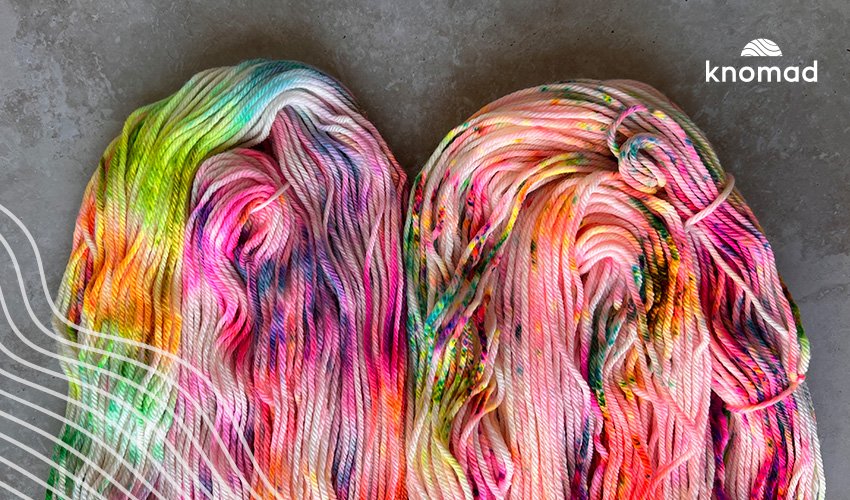
 The black base on the superwash is noticeably blacker and darker, and the neon is more vibrant than the non-superwash. Also, the resists on non-superwash are not nearly as crisp and they’re grey at the margin and muddy.
 The quality of the black is softer and more variegated on the non-superwash.
Conclusion: If you want the blackest black and the brightest neon, superwash is best suited to this technique. If you like the soft, subtle variegation in the quality and tone of the black and larger “resists” that fade from grey at the margins to the neon and then back to grey, then non-superwash will give you that result.
The quality of the black is softer and more variegated on the non-superwash.
Conclusion: If you want the blackest black and the brightest neon, superwash is best suited to this technique. If you like the soft, subtle variegation in the quality and tone of the black and larger “resists” that fade from grey at the margins to the neon and then back to grey, then non-superwash will give you that result.
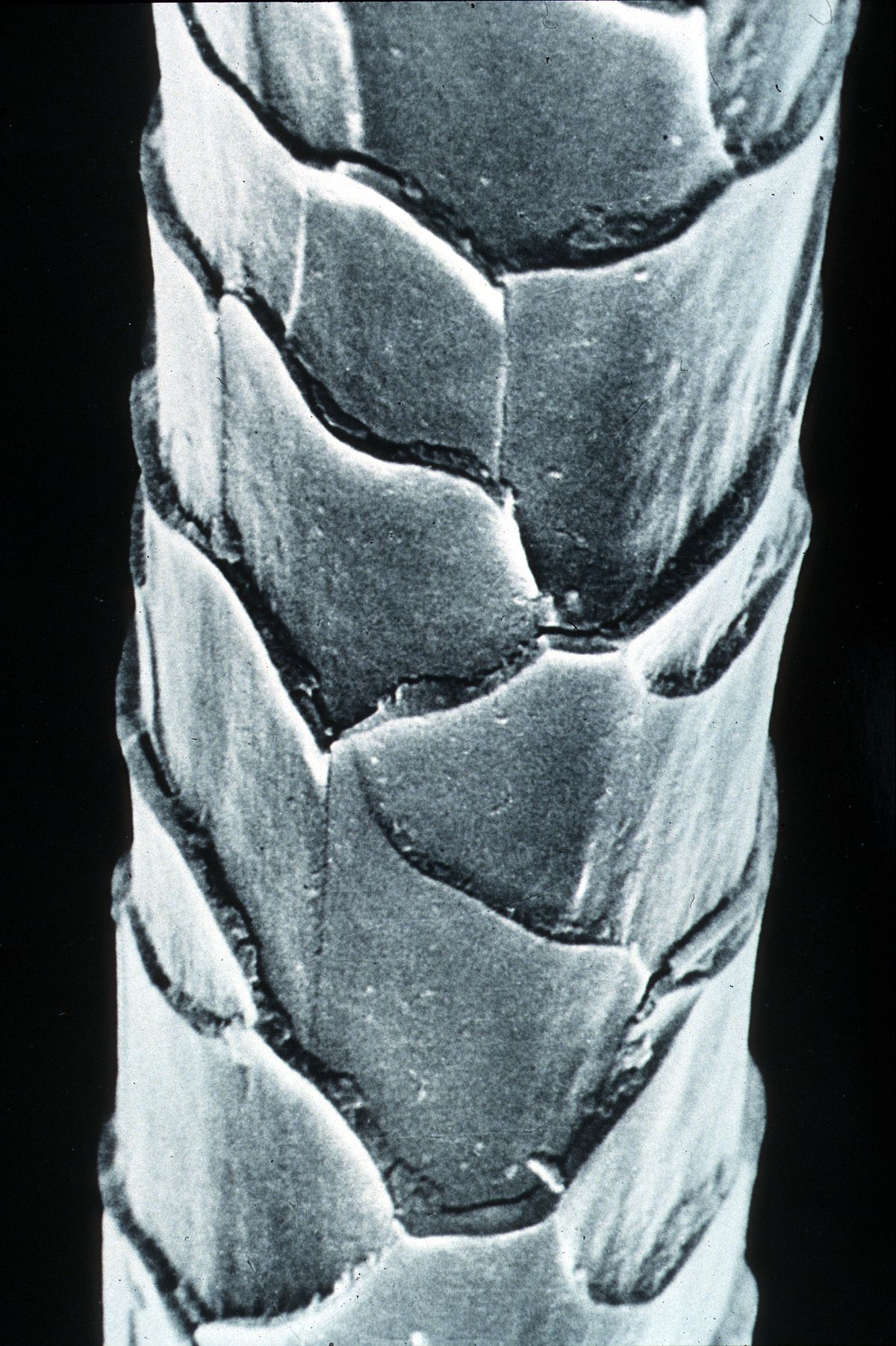
 A brief overview of how superwash is created, what its uses are, and the characteristics/differences in wear between treated and untreated wool.


RESIST DYE DIRECTIONS:
Dye Stock Recipe: 5 grams of dye, 1 tsp citric acid dissolved in 500 ml hot water for rainbow painting stock. 8 grams pro-chem wfa black, 1T citric acid dissolved in 2 gallons of water in a large pot or 8” deep tray. Take your superwash and non-superwash yarn and tie 4 resists on each skein evenly spaced. You can use recloseable zip ties, cotton yarn or silicone bands, but remember to tie as tightly as possible to create a clean resist.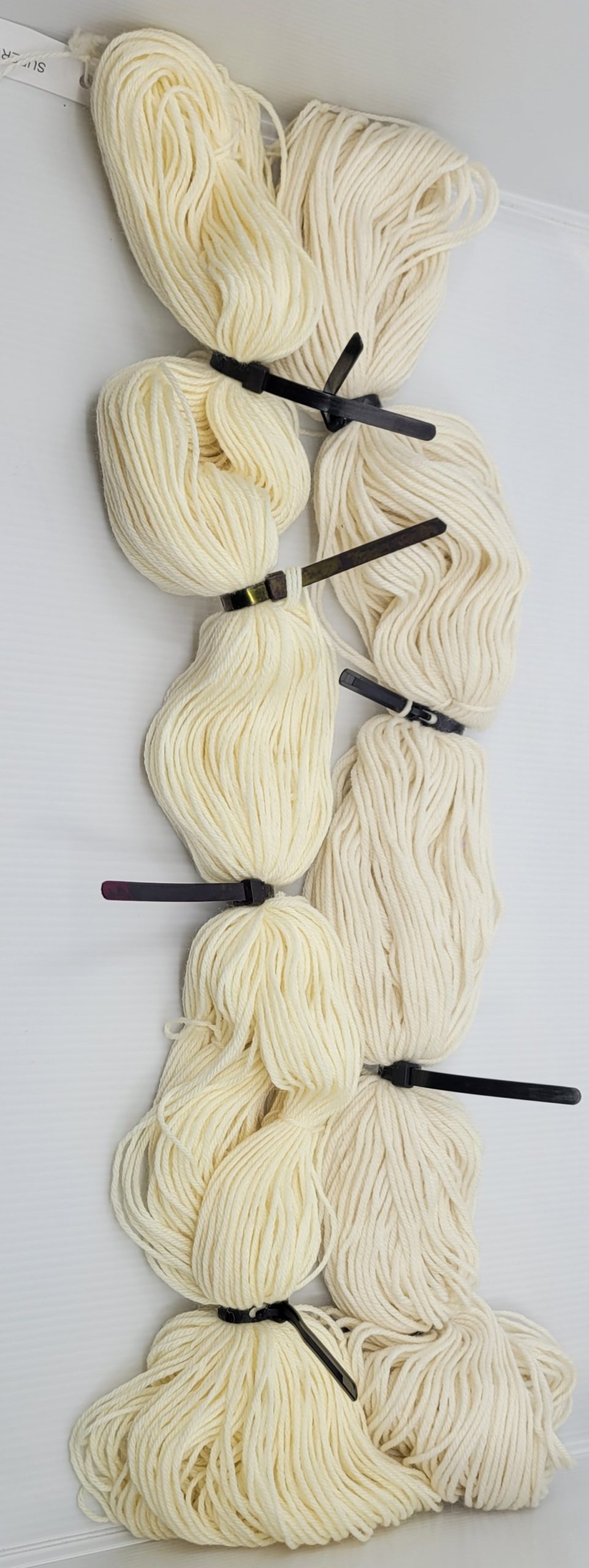 Bring the black dye bath up to boiling and quickly submerge the skeins dry. Then reduce temperature to 210 degrees (just under boiling). If you wet the yarn out ahead of time, the dye will migrate under the ties and you’ll have solid black yarn.
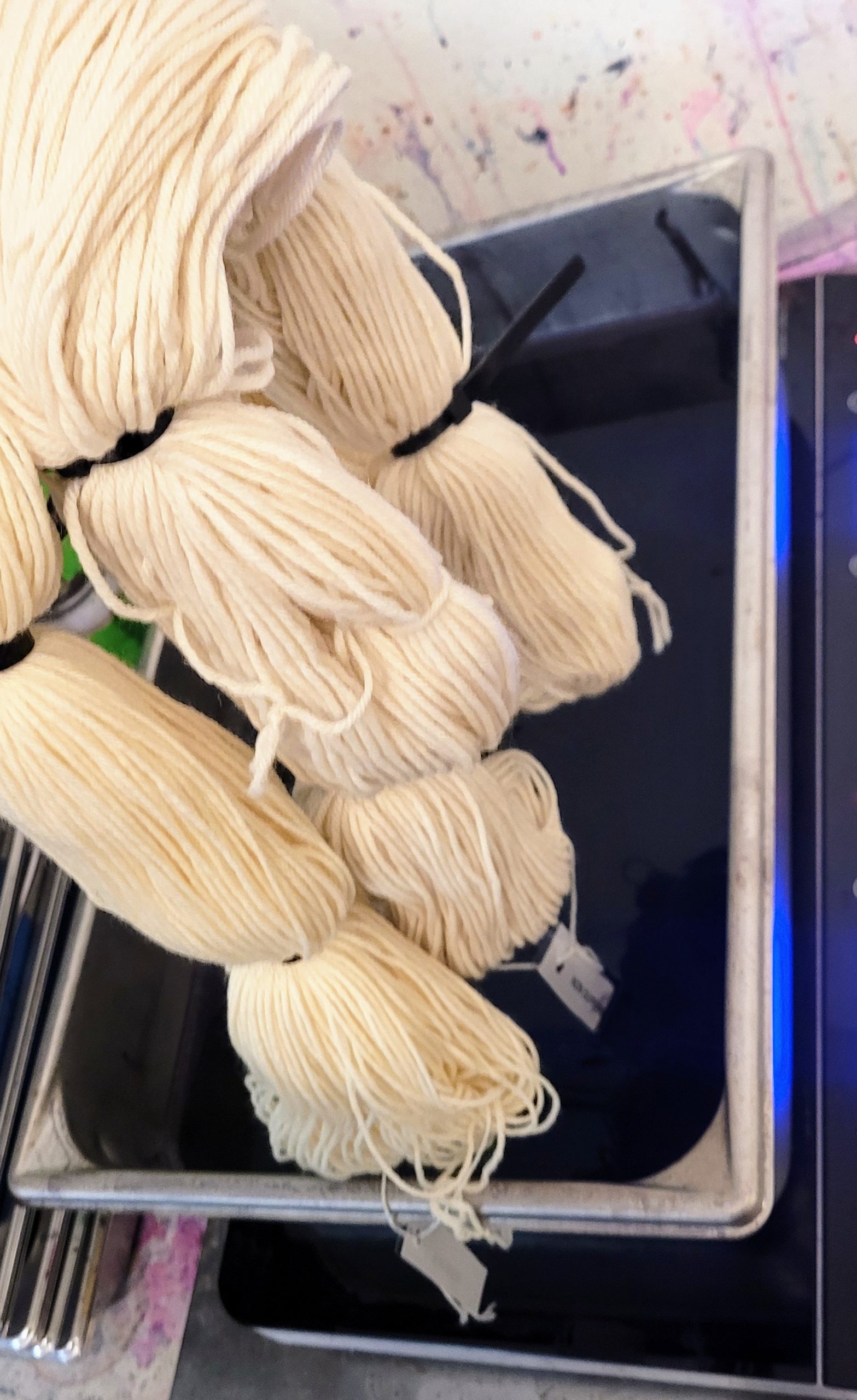 Keep at 210 for 30 minutes and let cool to room temperature. Then remove the resists and overdye each one a different color.
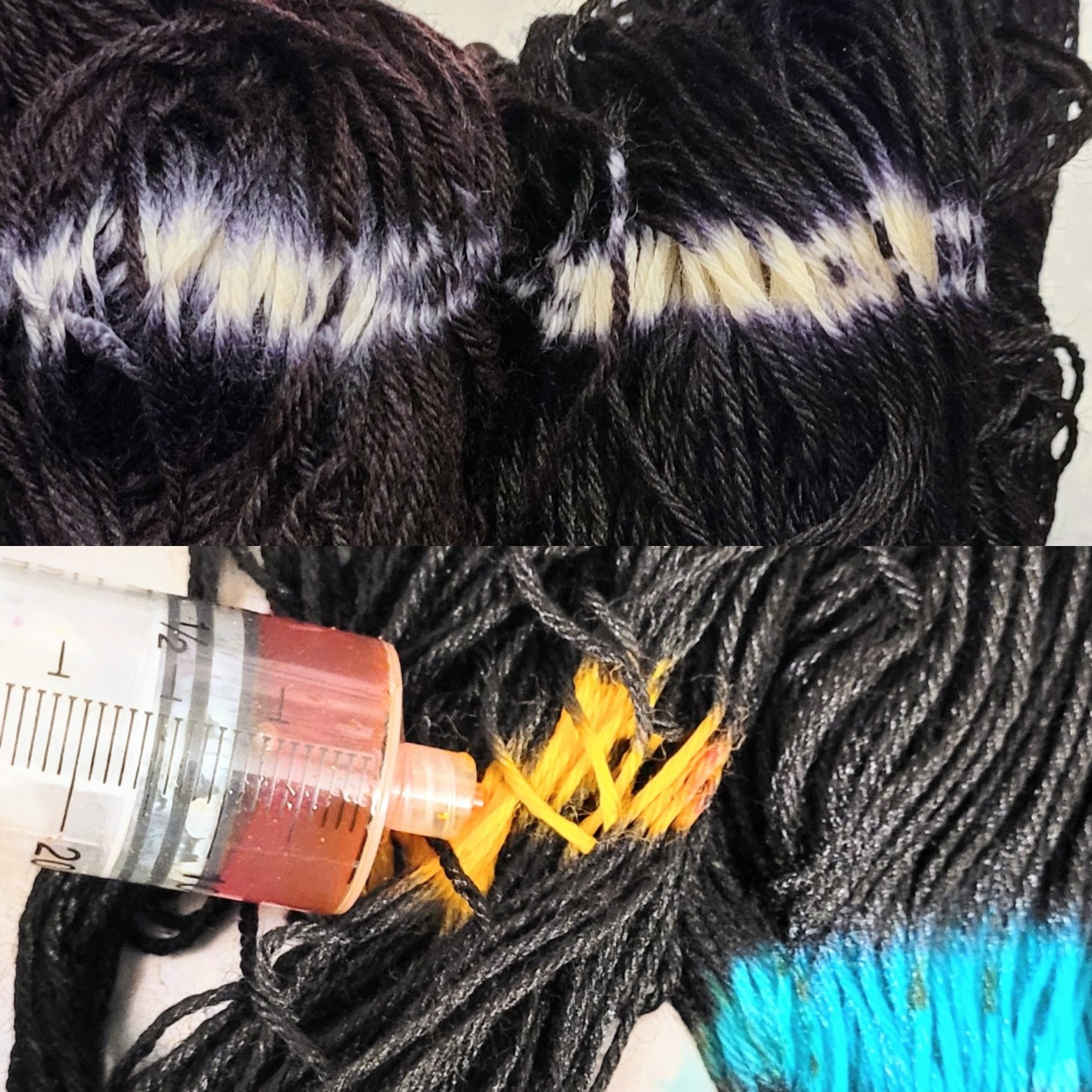 Put back in the heat for 30 minutes to an hour and let cool to room temperature.
Superwash on left, non-superwash on right
Superwash on the bottom, non-superwash on top
Put back in the heat for 30 minutes to an hour and let cool to room temperature.
Superwash on left, non-superwash on right
Superwash on the bottom, non-superwash on top
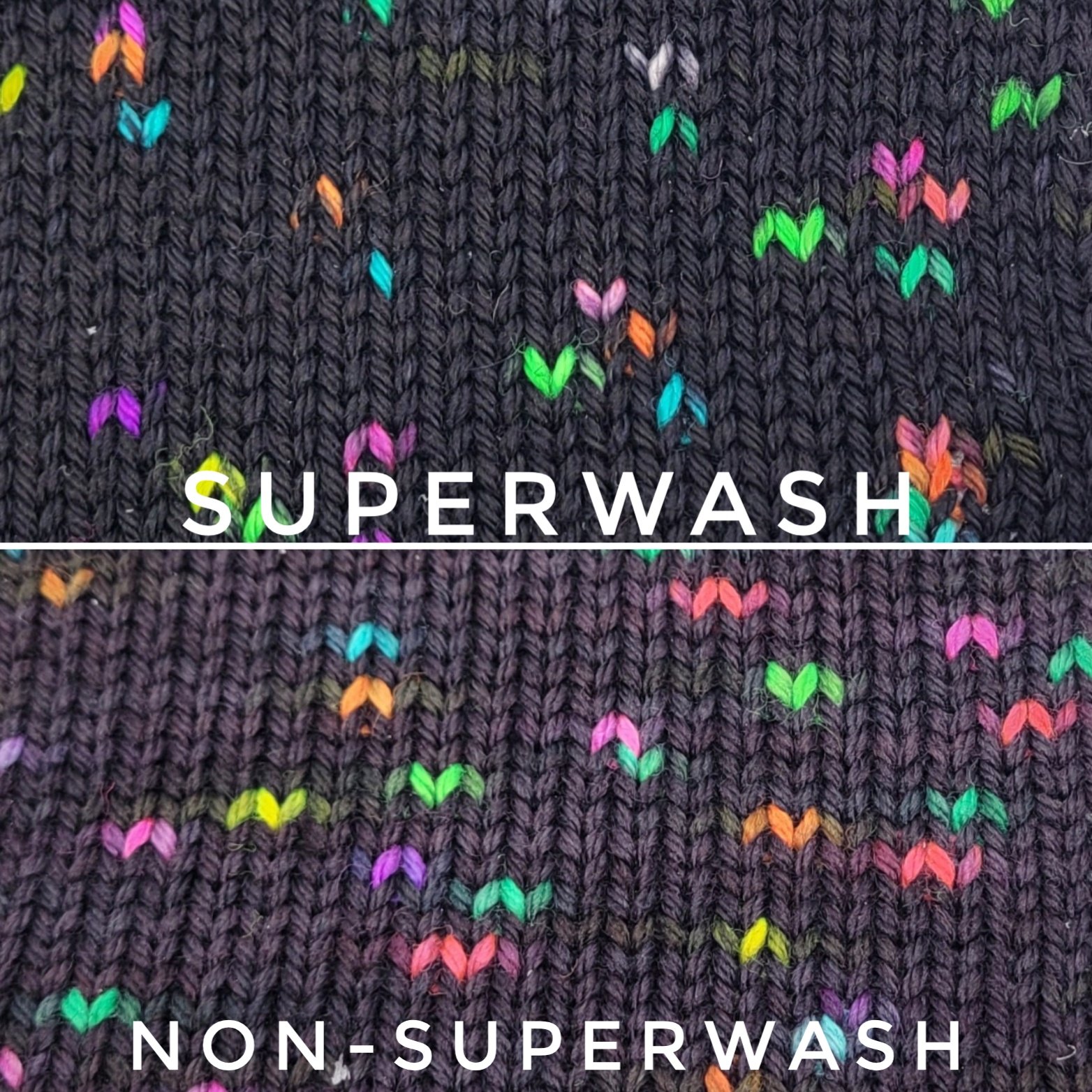 The black base on the superwash is noticeably blacker and darker, and the neon is more vibrant than the non-superwash. Also, the resists on non-superwash are not nearly as crisp and they’re grey at the margin and muddy.
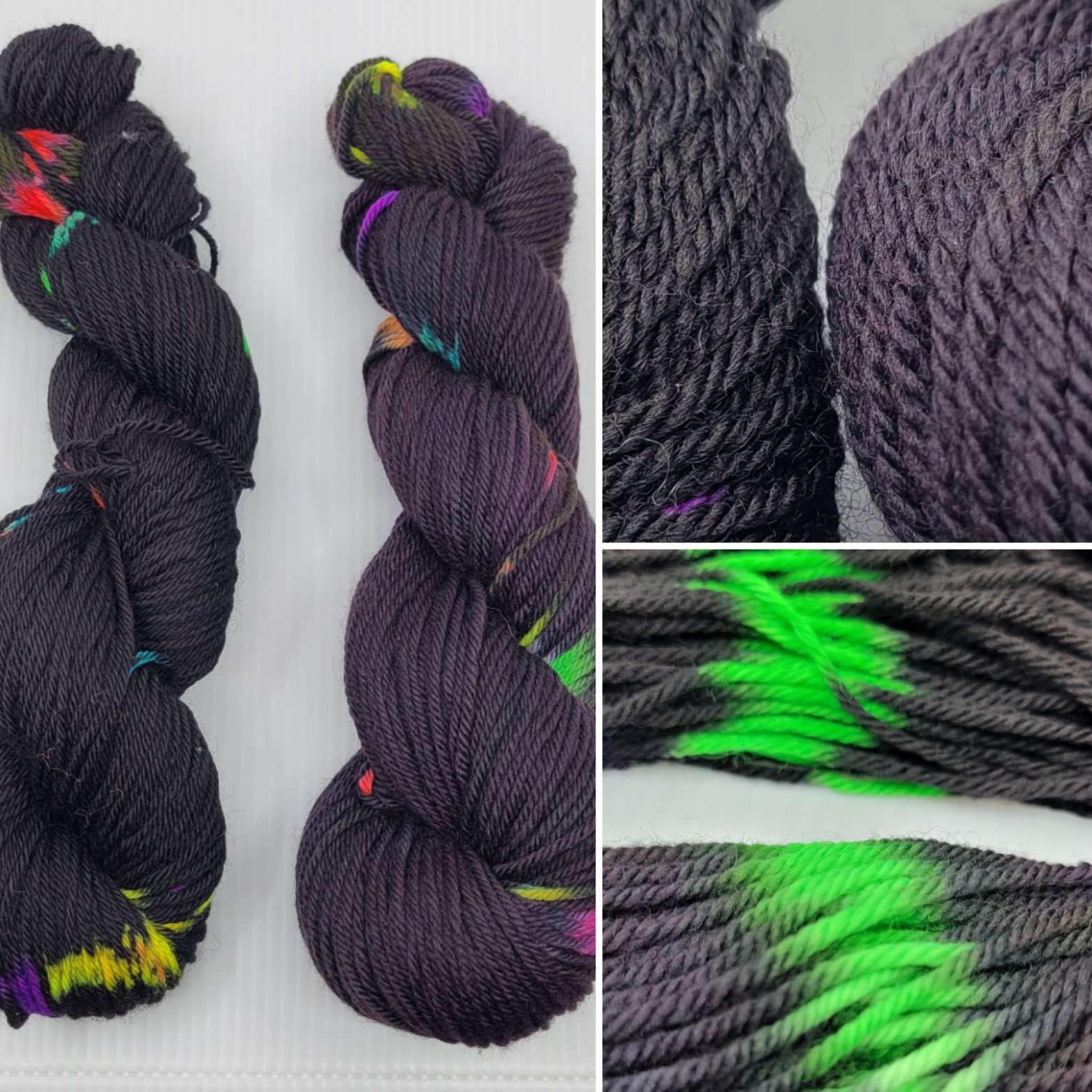 The quality of the black is softer and more variegated on the non-superwash.
Conclusion: If you want the blackest black and the brightest neon, superwash is best suited to this technique. If you like the soft, subtle variegation in the quality and tone of the black and larger “resists” that fade from grey at the margins to the neon and then back to grey, then non-superwash will give you that result.
A brief overview of how superwash is created, what its uses are, and the characteristics/differences in wear between treated and untreated wool.
The quality of the black is softer and more variegated on the non-superwash.
Conclusion: If you want the blackest black and the brightest neon, superwash is best suited to this technique. If you like the soft, subtle variegation in the quality and tone of the black and larger “resists” that fade from grey at the margins to the neon and then back to grey, then non-superwash will give you that result.
A brief overview of how superwash is created, what its uses are, and the characteristics/differences in wear between treated and untreated wool.